What is Microcement?
Microcement is a modern, high-performance surface coating made from cement, polymers, and other additives. It’s applied in ultra-thin layers (typically 2–3mm) to create a seamless, smooth, and stylish concrete-like finish — without the bulk and cracking issues of traditional cement screed. Microcement is growing in popularity in Singapore for its clean aesthetic and versatility across walls, floors, and even countertops.
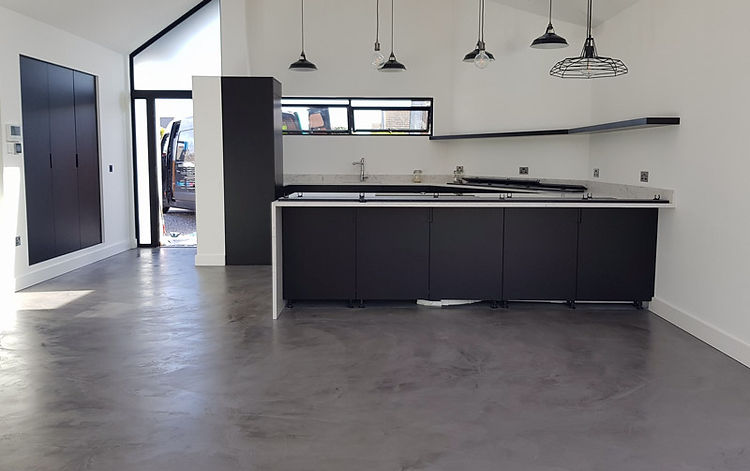
Why Choose Microcement Flooring?
Sleek, seamless finish with no grout lines
Available in a wide range of colours and textures (e.g., matte, satin, gloss)
Lightweight and can be applied over existing tiles or surfaces
Crack-resistant and waterproof when sealed properly
Perfect for modern, minimalist, or industrial interiors
Suitable for both floors and walls
How is Microcement Flooring Installed?
The process involves surface prep, application of a primer, and several hand-applied microcement layers. It’s then sealed with a topcoat to make it water- and stain-resistant. In Singapore, microcement is often installed over existing tiles to avoid hacking, making it ideal for renovations. Professional application is important, as microcement requires artisanal skill for a smooth, even look.
Where is Microcement Flooring Best Used?
Microcement is perfect for living rooms, bathrooms, kitchens, feature walls, and commercial interiors like cafes, boutiques, and showrooms. Its waterproof finish makes it suitable for wet areas, unlike traditional cement screed — making it a great solution for Singapore homes looking for a refined, concrete-style surface.
Maintenance & Care
Microcement is sealed and easy to maintain — just wipe with a damp cloth and mild detergent. Avoid abrasive scrubbing or acidic cleaners. With proper sealing and care, microcement surfaces can last for years without fading or peeling.
FAQs About Microcement Flooring
Q1: Is microcement waterproof?
Yes — once sealed, microcement is fully waterproof, which is why it’s increasingly used in bathrooms and kitchens in Singapore.
Q2: What’s the difference between microcement and cement screed?
Cement screed is thicker, more raw-looking, and may crack if not properly maintained. Microcement is thinner, more refined, more crack-resistant, and offers a more polished designer finish.
Q3: Can microcement be used on walls too?
Yes! Microcement is highly versatile and adheres to a variety of surfaces, making it perfect for walls, floors, kitchen backsplashes, and even furniture surfaces.